A Compliment to the Siesta
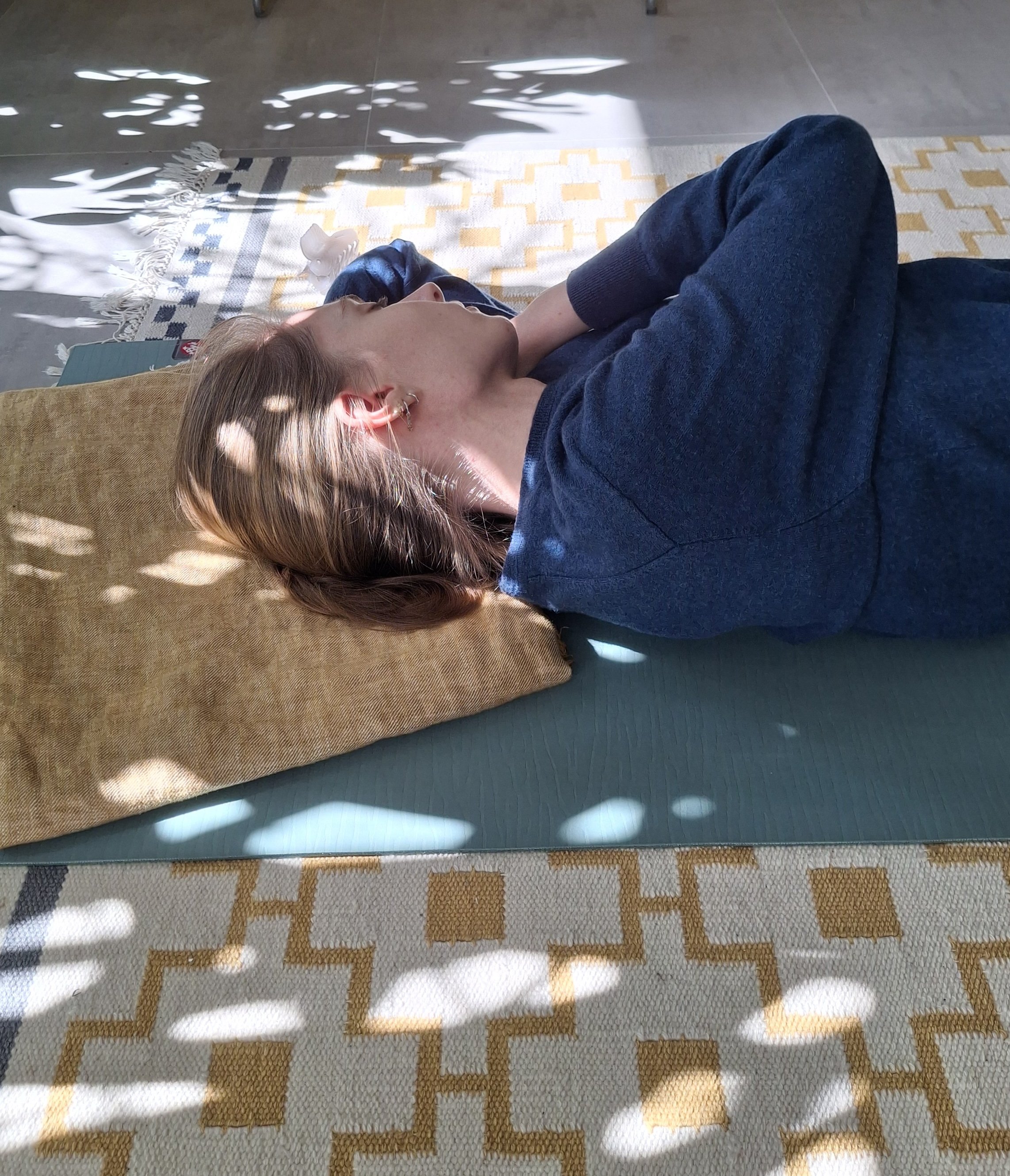
Sleep is probably one of the things that helps me most. It is also one of the things that makes me feel best. This sounds remarkably simple, and yet it has taken me quite a while to accept what that means in practice. What I am specifically talking about is the siesta.
Growing up and living in Germany, an afternoon nap never really belonged to my idea of a productive day. A nap is usually something toddlers do or one might need because you had slept badly. Maybe a 15min powernap is acceptable, but mostly because that suggests that you have been working so hard and long hours, that you didn’t get enough sleep at night. Otherwise, the day is for being awake and doing things.
So it has taken me some time to understand that, for me, a siesta can actually be part of a productive day rather than an interruption of it.
When I feel the need to rest, there is an enormous difference between lying down while thinking “I should be doing something else” and lying down and thinking “this is what I am doing now”. The first does not really feel like rest. There is still a discussion happening in my head: Do I really need this? Am I being lazy? Could I not just push through? Shouldn't I use the time for something more useful? Am I wasting time?
The second is wonderfully calming. I have come to appreciate the luxury of being able to take an afternoon nap, and I mean luxury quite literally: having the time, space and freedom to stop in the middle of the day is something I do not take for granted. But what has changed most is that I no longer experience this time as stolen from the productive part of my life. I experience it as part of it.
Often I lie down on the floor. I love sleeping there as it feels grounding, and my back seems to appreciate the firmness. I put my phone away and close my eyes. Sometimes I fall asleep quickly; sometimes I need music or an audio book to calm my thoughts; sometimes I simply lie there for a while and notice my breathing, consciously let some tension leave my body, and listen to things like the wind moving through the trees outside or birds singing. If the sun shines through the window and falls across my face I enjoy the warmth. Sometimes my partner sits nearby, working on his laptop, and I hear the strangely soothing rhythm of him typing.
There is nothing spectacular about any of this. That might be precisely why it feels so restorative. I have increasingly noticed the difference between activities that look like rest and things that actually make me feel rested, which gives me so much joy. Scrolling through social media is a good example. It is very easy to spend half an hour on my phone and tell myself that I am taking a break. Technically, I am not working. But afterwards I rarely feel as though I have rested.
Meanwhile, putting the phone down, closing my eyes and doing absolutely nothing is different. It gives my body and my brain a chance to become quiet. My attention is no longer constantly being pulled somewhere else. My eyes stop feeling strained. I can notice where I am holding tension. And when I actually sleep, I often wake up feeling substantially better—not simply less tired, but clearer, calmer and more capable of doing things again. That feeling really makes me happy.
This has made me reconsider productivity itself. We tend to measure productivity by visible activity: the email sent, the text written, the meeting attended, the workout completed. Rest is harder to account for because apparently nothing happens. But a lot can happen while nothing appears to be happening.
For me, sleep can change what I am capable of for the rest of the day. It can give me back concentration, can make movement feel better, have more energy, change my mood and make the distance between me and the things I want to do feel smaller. If an hour of sleep allows me to approach the following hours with more clarity and energy, I find it increasingly difficult to see that hour as wasted.
The more difficult part was perhaps not learning to nap, but learning not to feel bad about needing or wanting to. For me there was a subtle shame attached to needing more rest than you think you should. It becomes particularly noticeable when the people around you seem able to continue without it. It is easy to turn a physical need into a judgement about your body or even character: other people can do this, so why can't I?
I have spent enough time thinking like this to know that it does not make me more productive. It mostly makes me tired and unhappy while I am trying to rest.
Accepting the occasional siesta, sometimes I need it more regularly than other times, has therefore become part of something larger for me: learning to take the conditions under which I actually function well seriously, rather than continually measuring myself against an abstract idea of how I think I should function.
This is something I think about a lot in movement, too. There is a difference between forcing the body to comply with an idea and becoming attentive enough to notice what helps it move well. The latter can initially look slower. In reality, it often creates much better conditions for doing more. Rest can work in a similar way. I no longer want to spend my siesta worrying about whether I deserve my siesta. I want to lie on the floor, feel its firmness underneath me, listen to the birds and the wind and the tapping of keys somewhere nearby, and let myself become very quiet. And then, sometimes an hour or two later, I get up. Usually feeling much more like myself.
If you would like to explore this in practice…
Rest is not always something that simply happens when we stop doing things. Sometimes we need to create the right conditions for the body and mind to actually become quieter.
This is something we will explore in my upcoming Nervous System Reset, a four-hour half-day retreat in Düsseldorf. Through gentle movement, breathing, awareness and relaxation practices, we will spend an afternoon discovering different ways to soften tension, slow down and find more ease.
Nervous System Reset with Alexandra Meffert
Half-day retreat in Düsseldorf
14:00–18:00 · 4 hours · €120