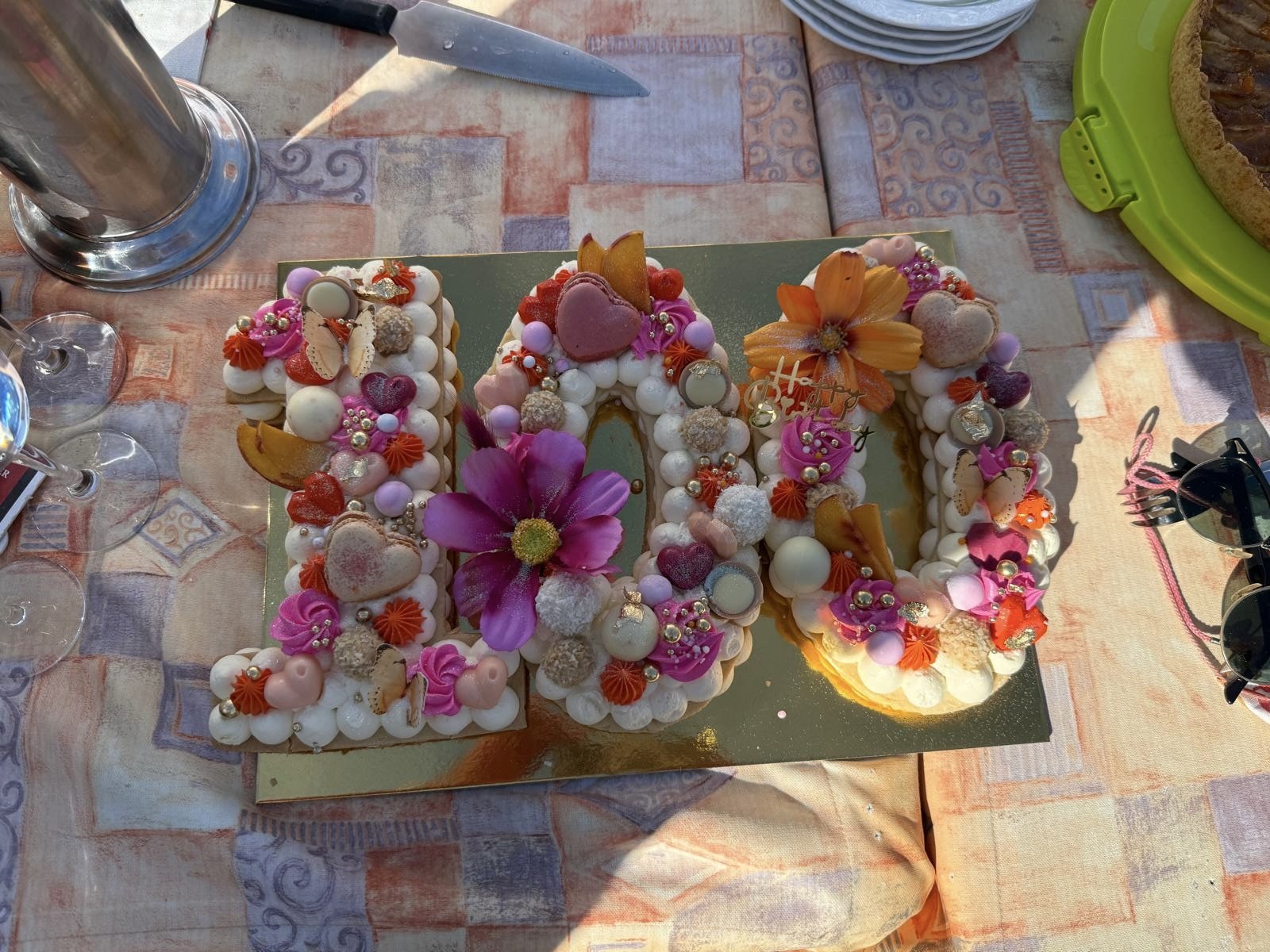
Last weekend, my grand-aunt turned 100.
My grand-aunt ran her own cinema until she was 91. She went skiing until she was 80 — and only stopped because she had an accident. Her independence, however, goes back much further than that.
Preparing for the Season
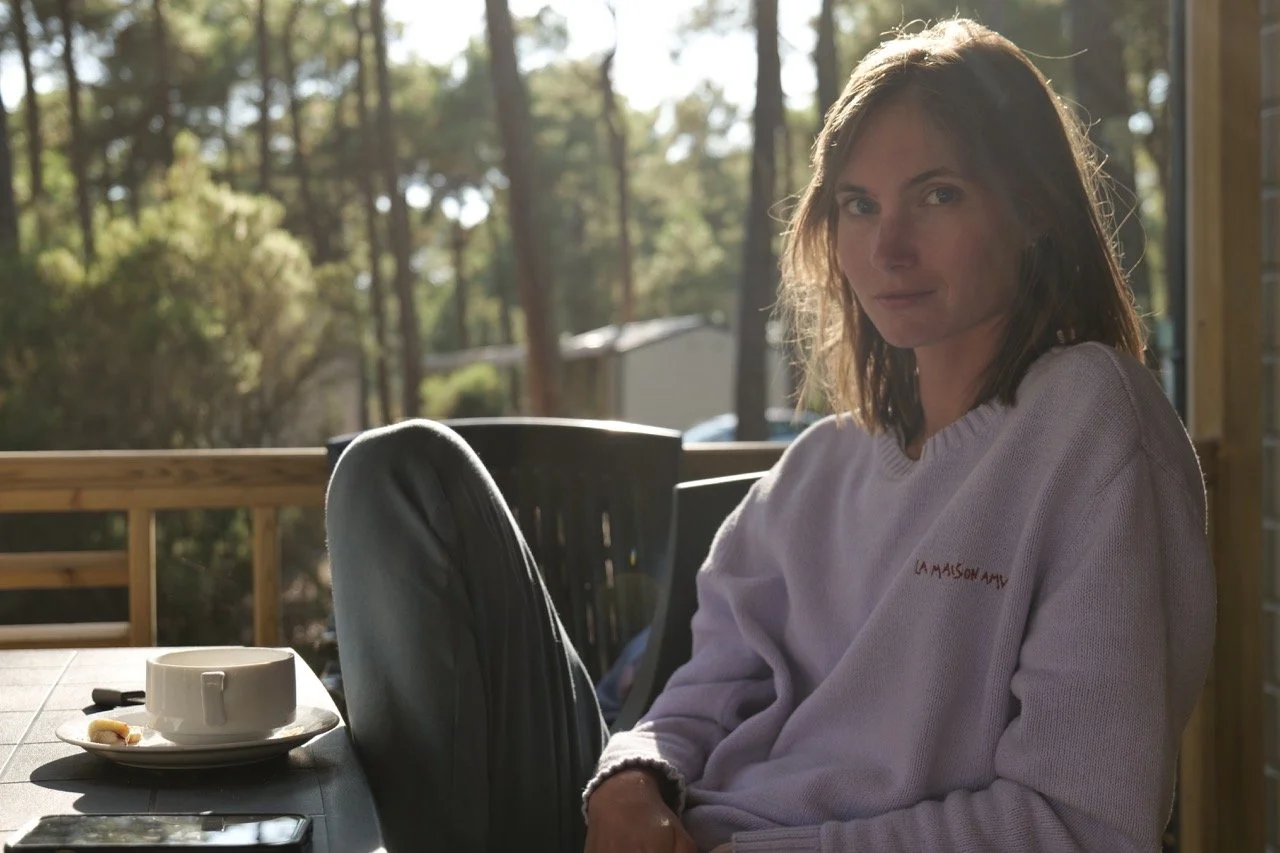
Preparing for autumn can mean creating the conditions that allow for noticing and enjoying the beauty of the seasonal changes and the present, instead of having to mean bracing yourself against it. Nature turns brigth red and yellow. Long coats create an image of drama and romanticism.
A Compliment to the Siesta
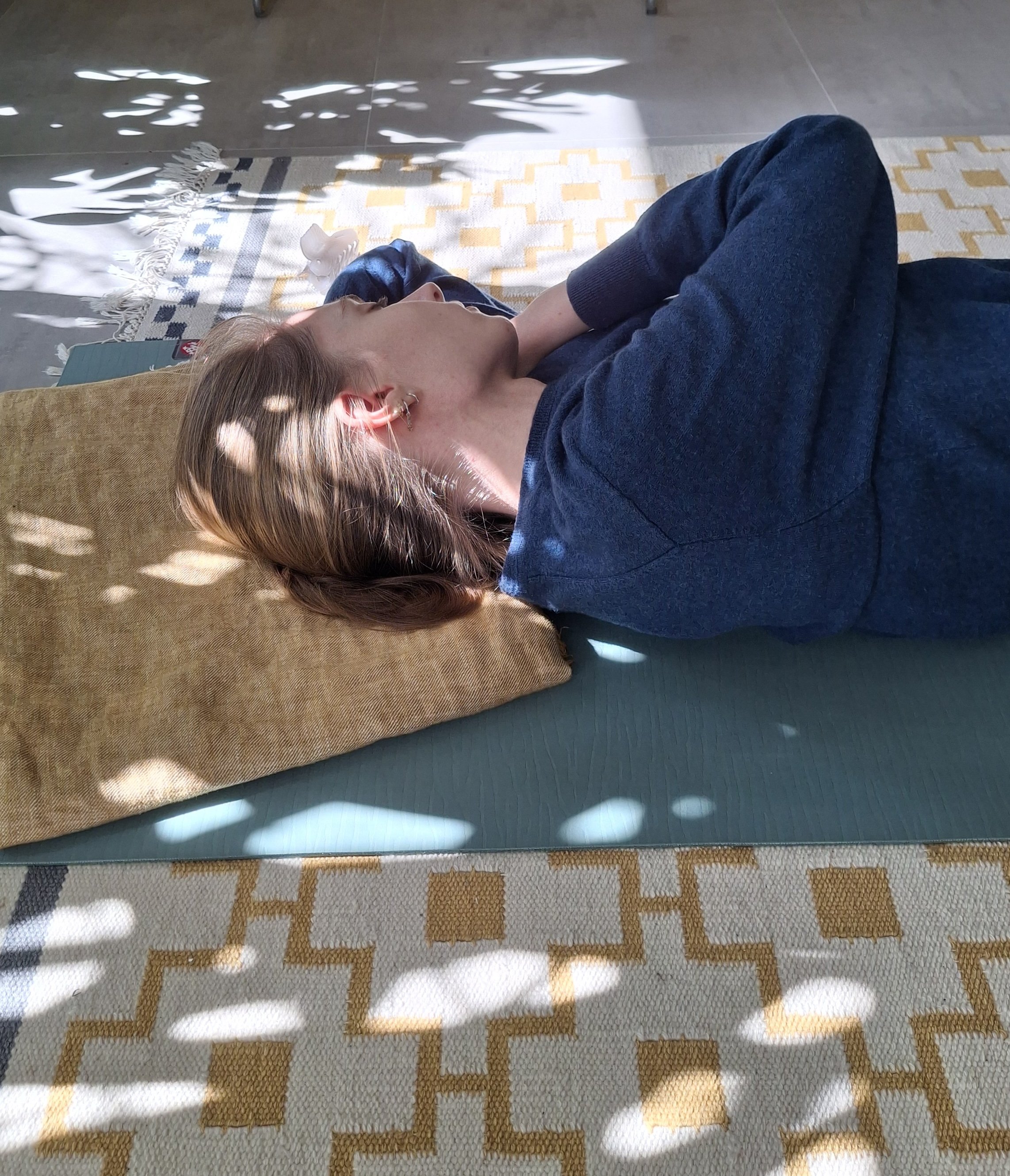
The more difficult part was perhaps not learning to nap, but learning not to feel bad about needing or wanting to. For me there was a subtle shame attached to needing more rest than you think you should.
Creating Conditions for Movement
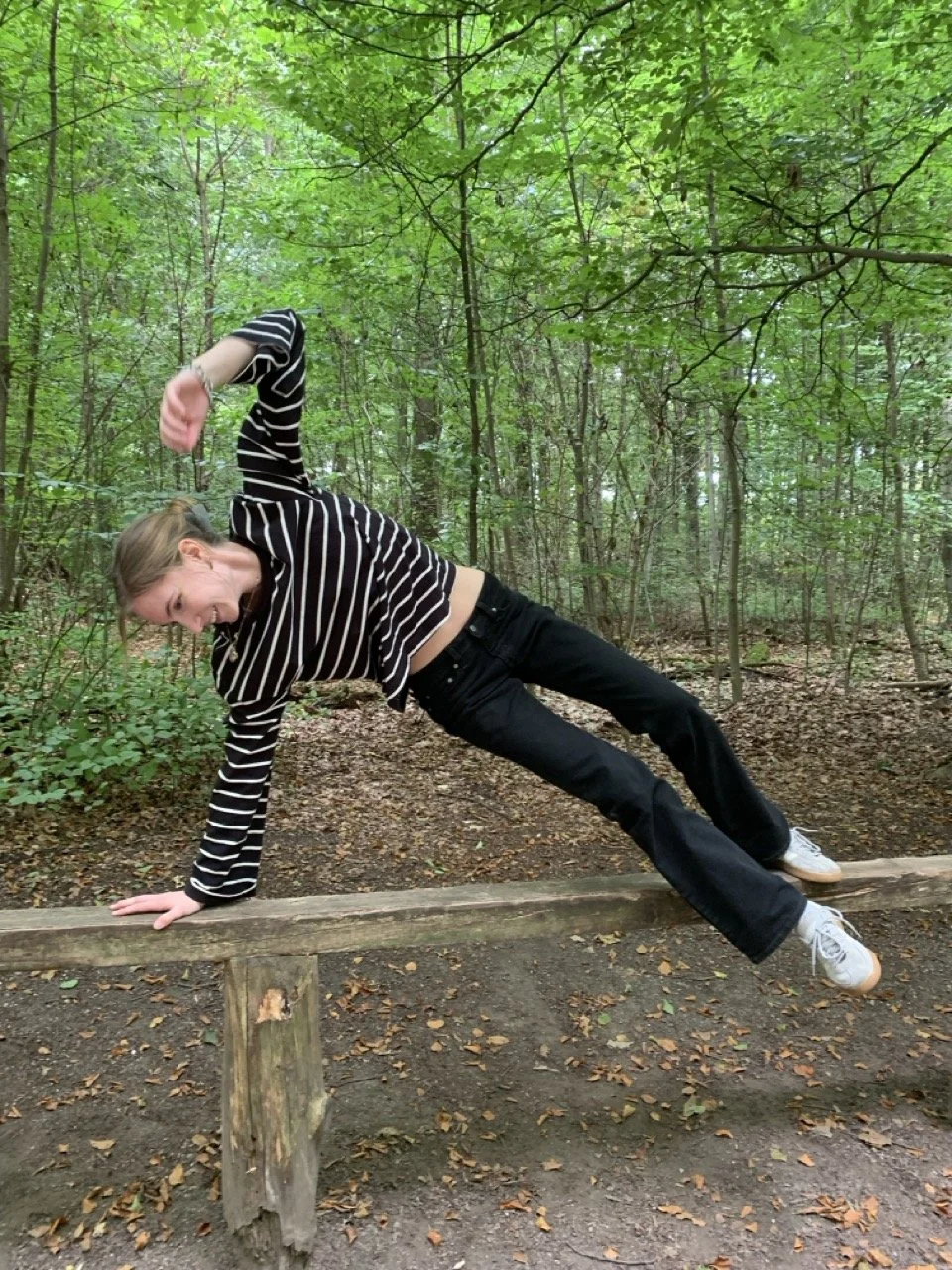
Initially, slowing down can feel like we're delaying that progress, but what it does is it changes the quality of how we are moving. When we move slowly or simply enough to pay attention, we create the conditions in which movement can actually change —
From Awareness To Agency. The knowledge behind an immunological condition
"Listening to the body" can sound vague. For me it has become something quite concrete. It means learning to notice differences. What does something actually feel like? When does it happen? What happened before it? What happens when I change something? Does rest help? What kind of rest? Does movement make it worse, or does a particular kind of movement make it better? What happens if I eat before going somewhere, dress more warmly or sit instead of stand? Over time, this produces information.
What Are We Actually Training When We Train Movement?
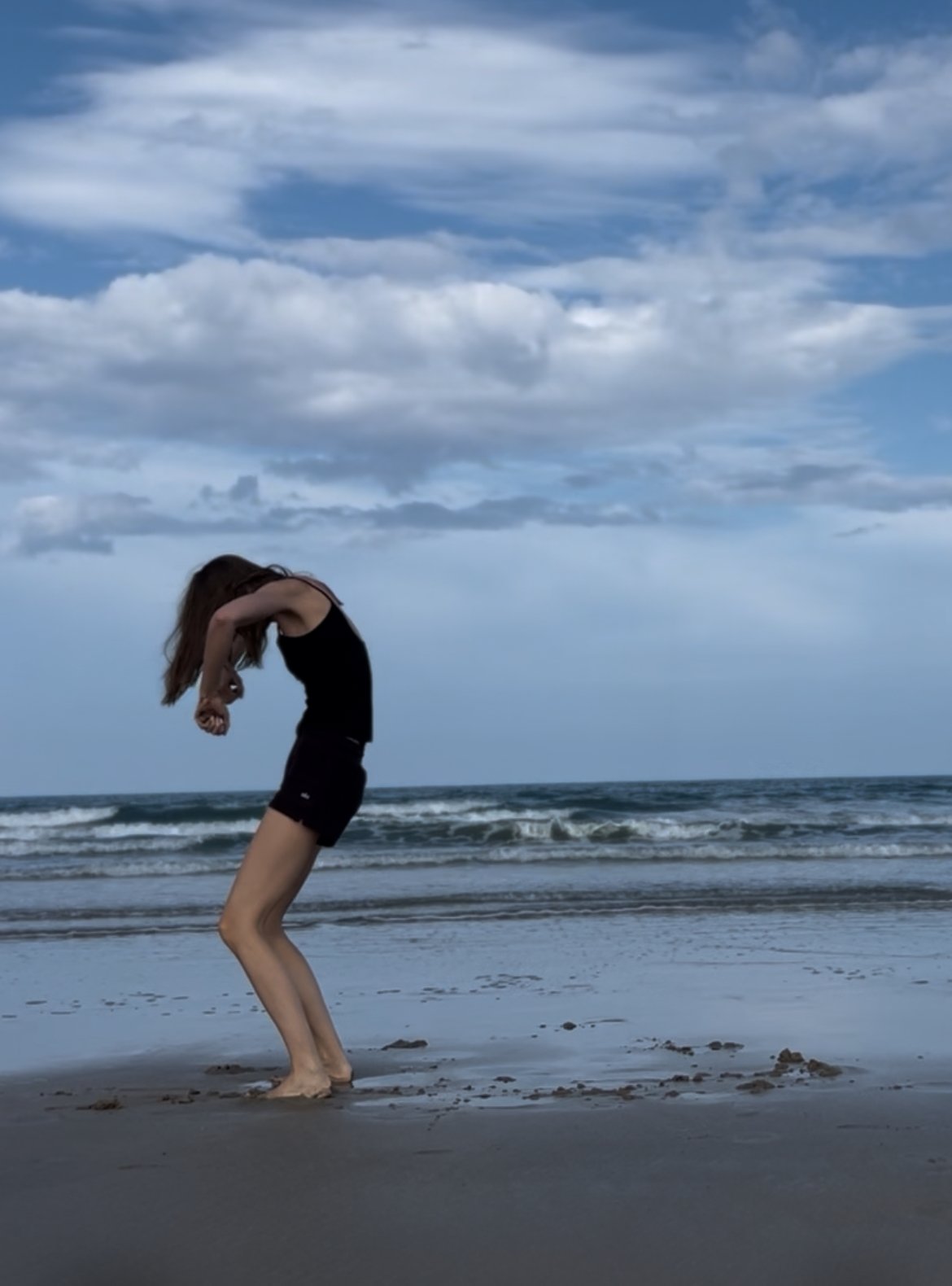
This has made me increasingly interested in the difference between being capable of performing a movement and understanding how movement works. I want strength, mobility and a large movement vocabulary. But I also want to know how to use them.
Curiosity as a Way of Learning
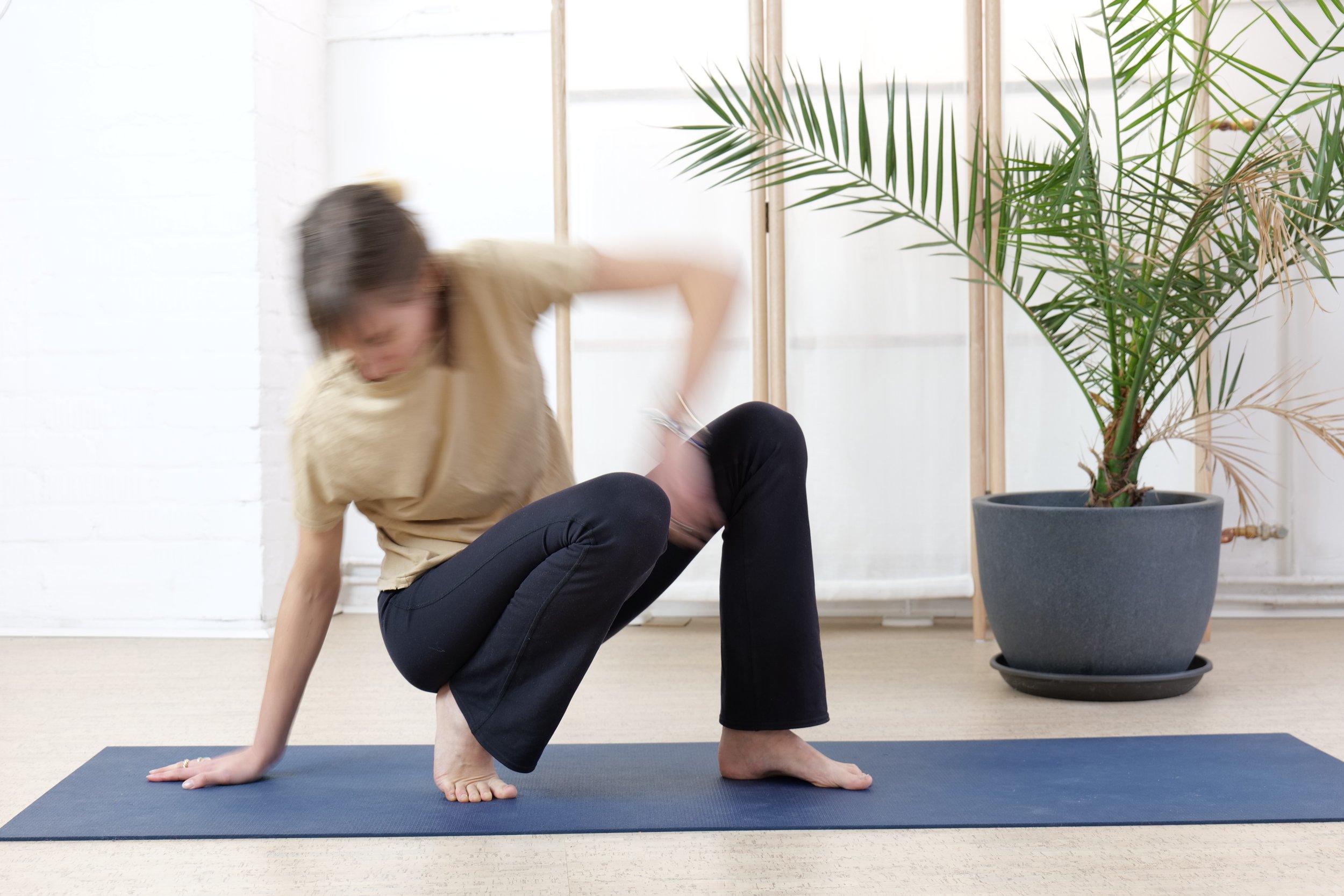
My response is the same one I give in the studio. Start with curiosity, not knowledge. What catches your attention? What does it remind you of? What happens if you give it another minute? Once the curiosity is there, the knowledge grows around it on its own.
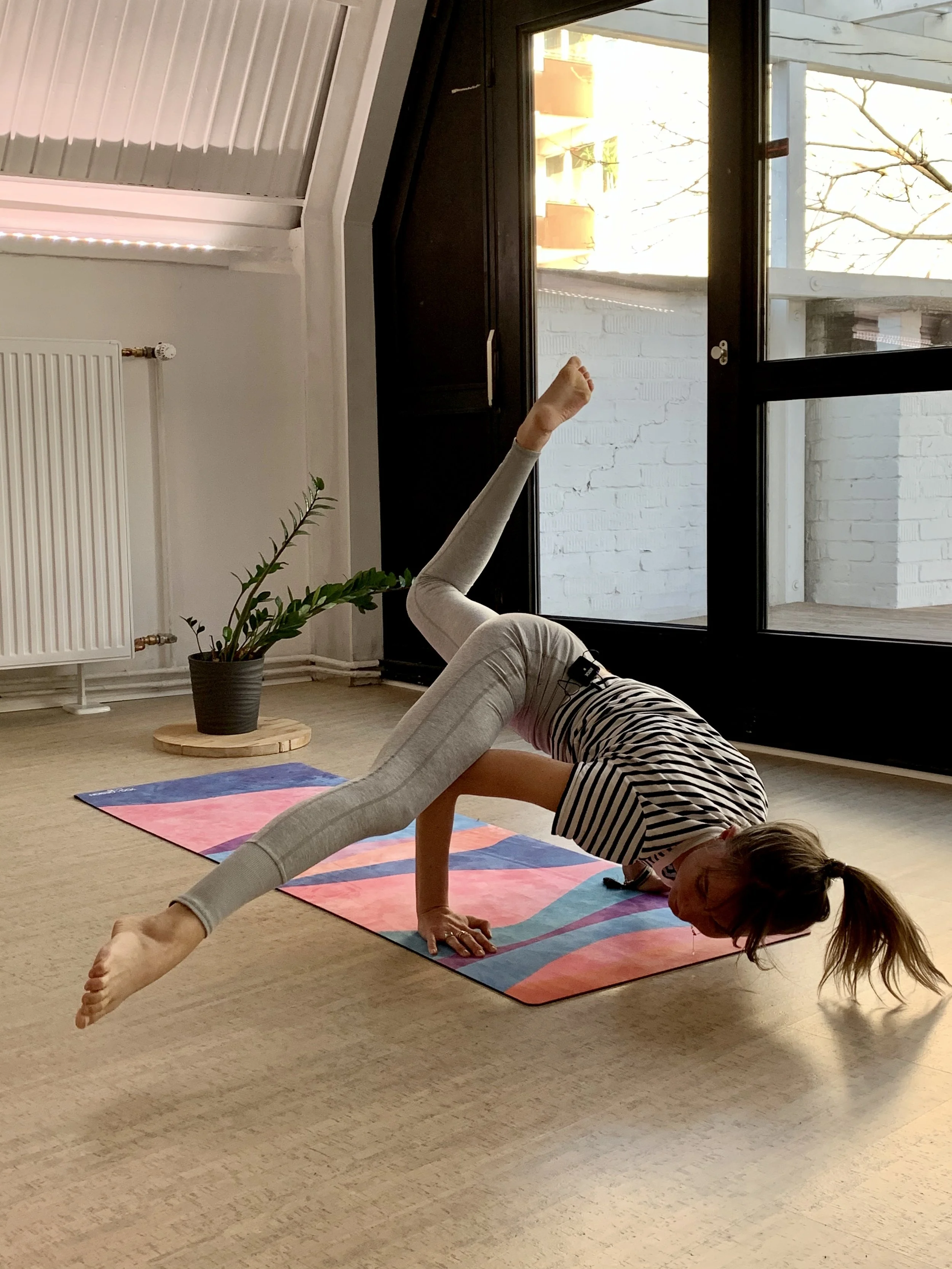
How to make arm balances feel lighter and more controlled
How to make arm balances feel lighter and more controlled
Arm balances are often treated primarily as a test of strength. When people struggle to lift their feet from the floor, the obvious conclusion is that their arms, shoulders or abdominal muscles are not yet strong enough.
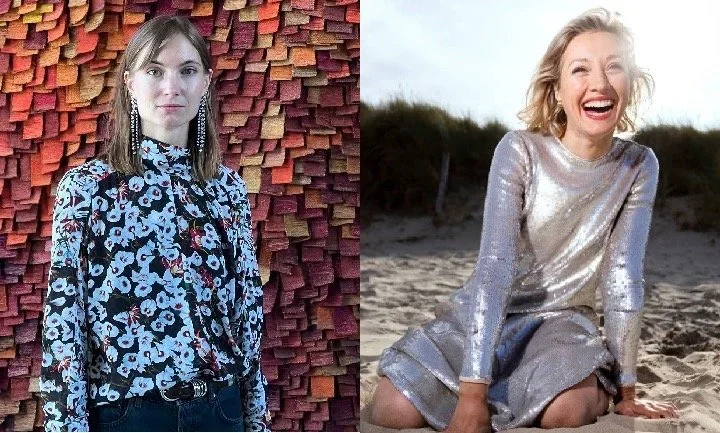
Was kostet unsere Kultur – und was ist sie uns wert?
Alexandra Meffert & Lavinia Dames (Foto Credits Klaudia Taday)
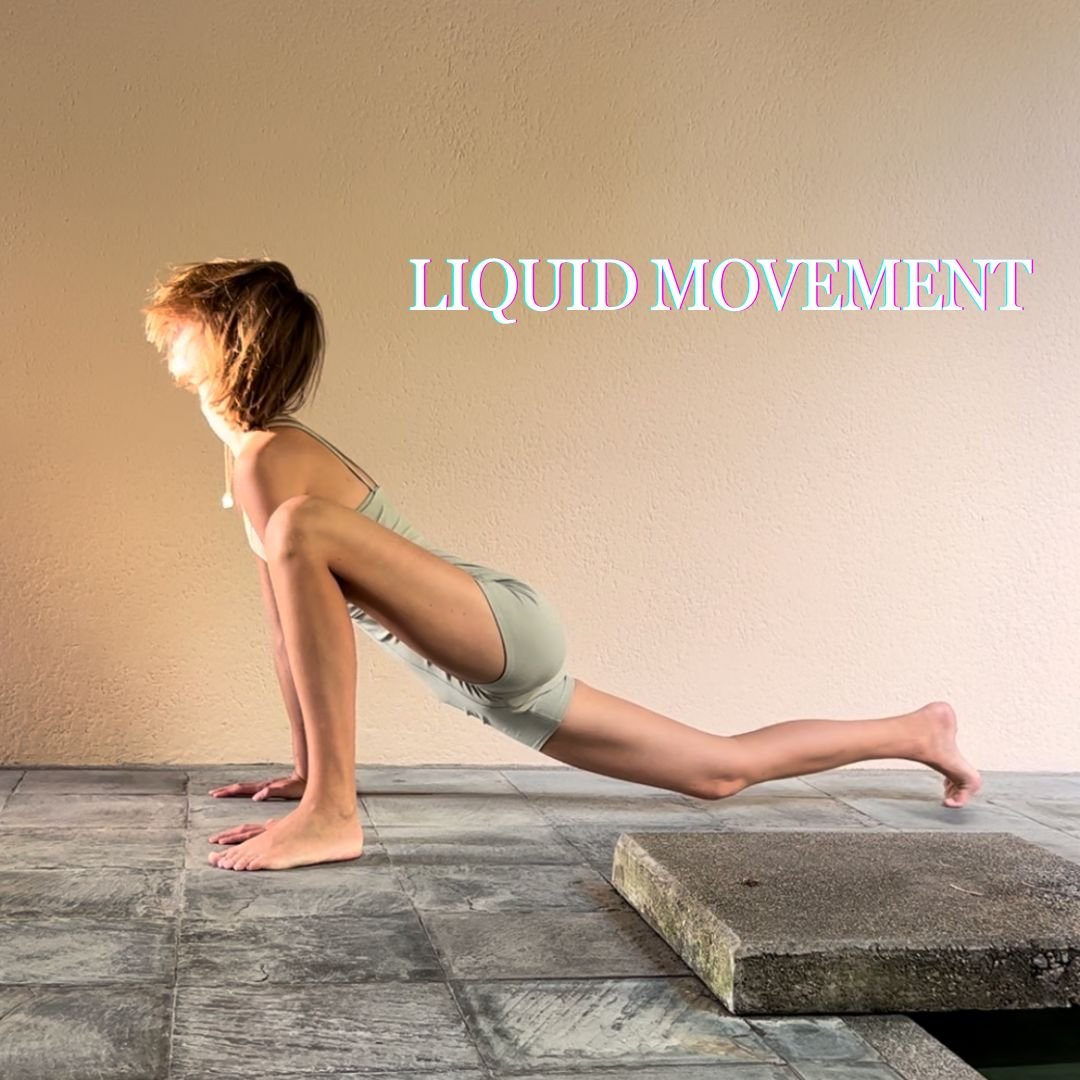
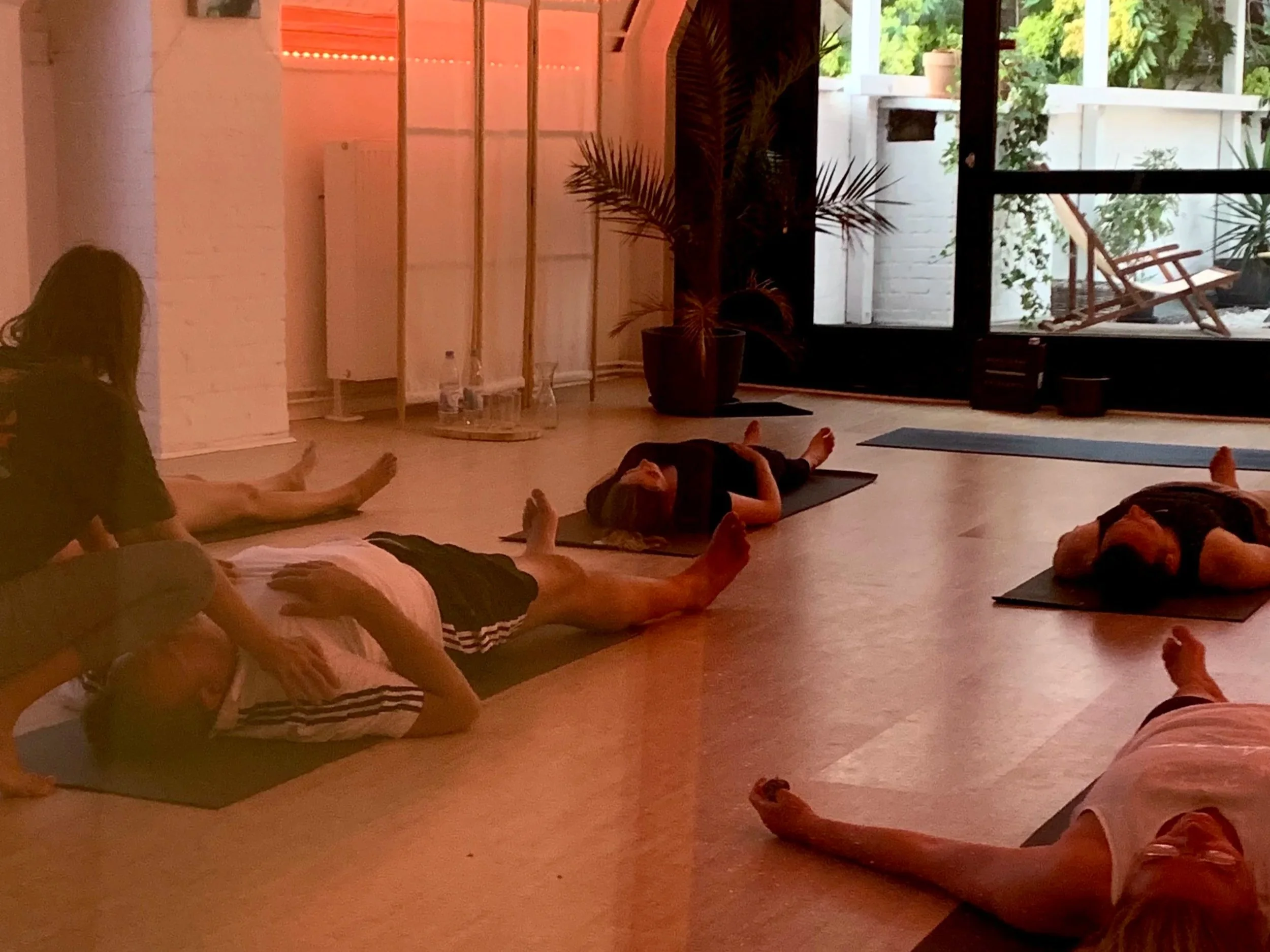


The Genesis of Retreat for the Senses: Reconnecting Body, Mind, and Nature
Retreat for the Senses is not simply a yoga retreat; it is a journey into the art of living fully. It integrates functional movement, stress management, and mindfulness with cultural and sensory delights.